
Providing unpaid care for loved ones is becoming one of the biggest jobs in America. More than 63 million people serve as unpaid caregivers to loved onesi, with 61% of those also holding paid jobs. Caregiving in the U.S. is a widely varied experience. But caregivers do tend to share one thing: 70% of U.S. caregivers experience anxiety and depression.ii
Whether caring for a child with a developmental disability, supporting an aging parent with dementia, or balancing the demands of a busy household, caregivers need support to sustain their own mental health and well-being. Employers can play a critical role by offering meaningful support to family caregivers.
From rapid-access mental health care to flexible schedules and paid leave, workplace policies and cultures that prioritize caregiver well-being can make a significant difference. That’s the focus of the American Psychiatric Association Foundation’s Center for Workplace Mental Health’s newly released resources, including the guide Addressing the Mental Health Needs of Working Caregivers.
32% of caregivers choose not to disclose their status to employers, but 37% of caregivers said their caregiving responsibilities impact their performance at work.
Supporting family caregivers in the workplace isn’t just the right thing to do: it’s also a smart investment. Caregiving-related challenges are estimated to cost employers $34 billion each year through lost productivity, turnover, and higher healthcare expenses.iii
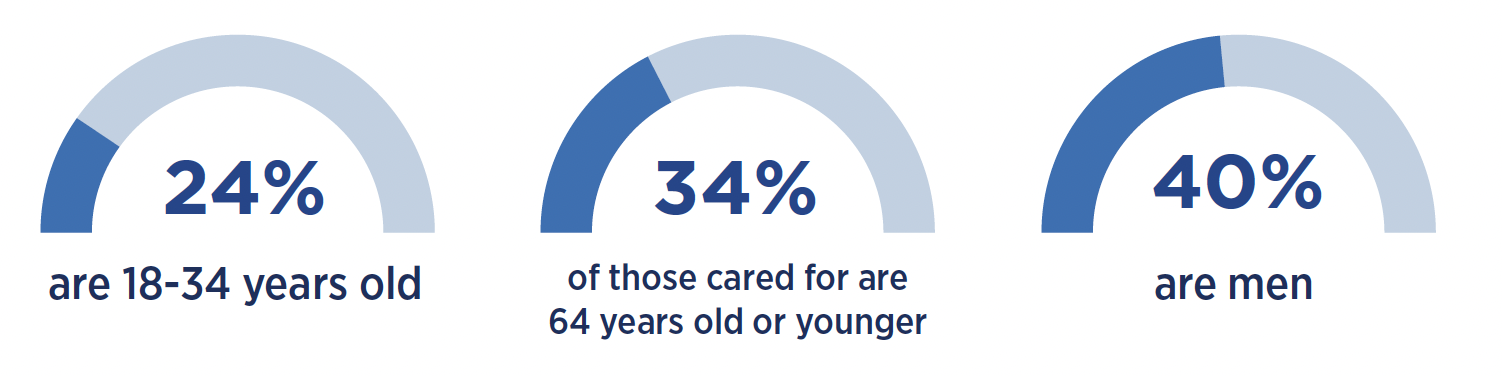
Caregiver Stats
Addressing the Mental Health of Working Caregivers: A Resource Guide
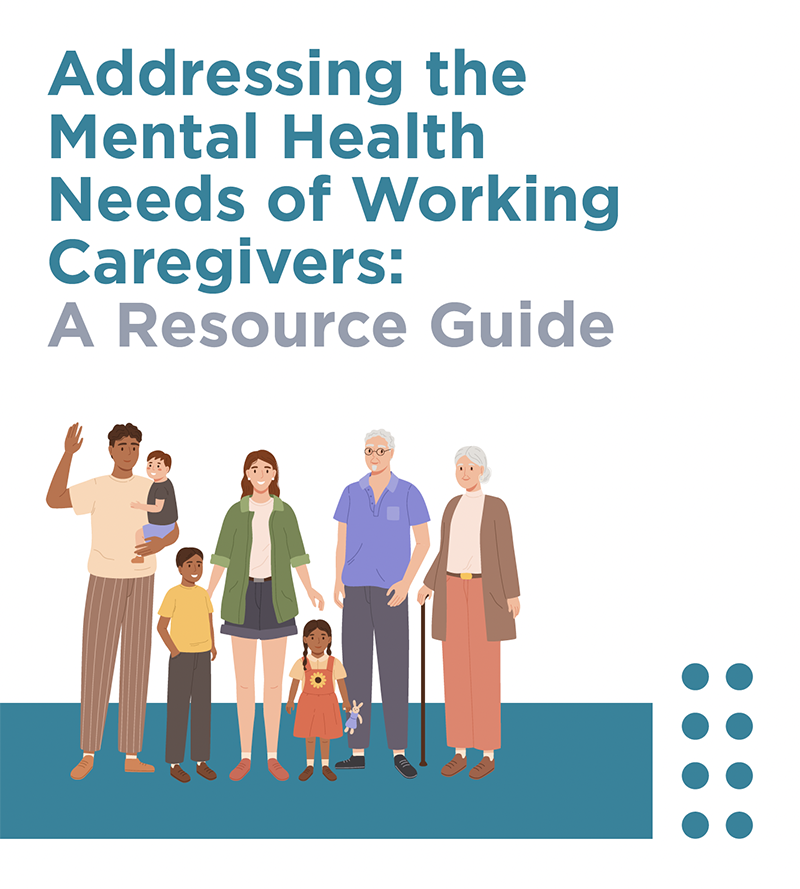
We have developed a suite of practical materials to help employers better support caregivers in the workplace. The collection includes a comprehensive resource guide with evidence-based interventions to promote working caregivers’ mental health, along with a Myths vs. Facts sheet and a Best Practices guide that can also be used as standalone tools. Download all the resources today and consider bringing these practices to your organization.
Download the Full Report (.pdf)
Report Highlights: Addressing the Mental Health Needs of Working Caregivers
This Resource Guide summary highlights key insights from the full report on the mental and emotional toll caregivers face while balancing work and home responsibilities.
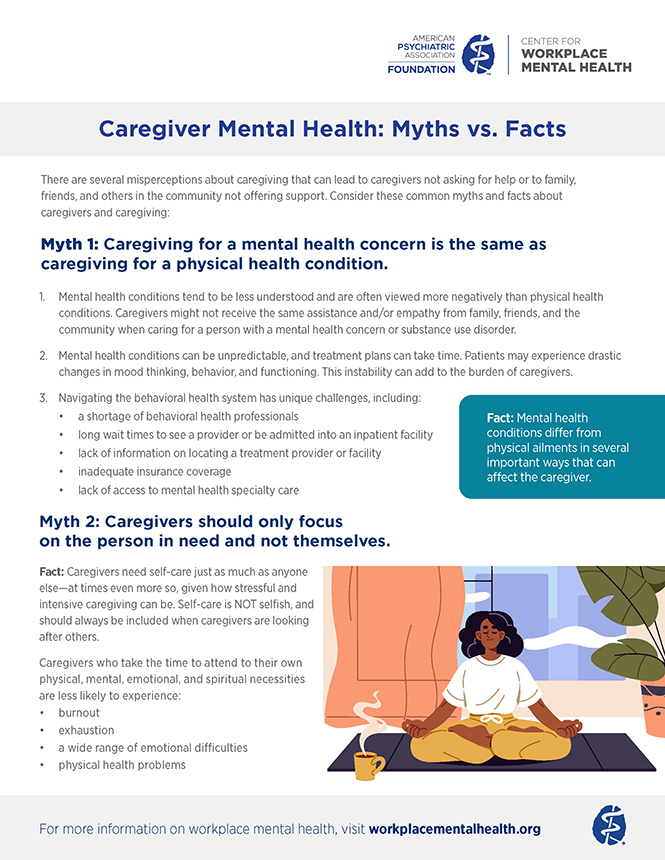
Caregiver Mental Health: Myths vs. Facts
A primer on the misperceptions many of us hold that may prevent caregivers from seeking the essential support and resources that would be most helpful.
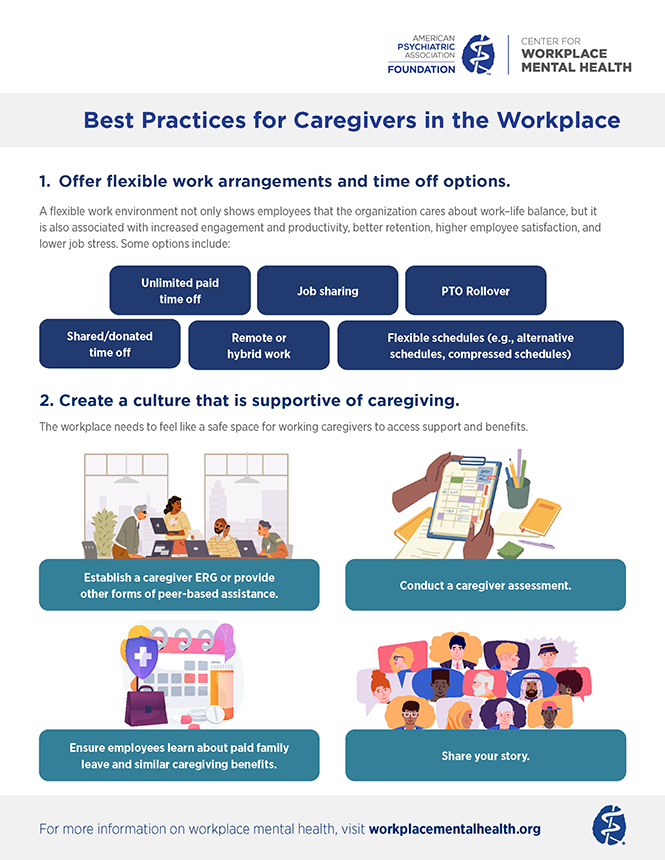
Best Practices for Caregivers in the Workplace
Employers are an underutilized resource that can connect working caregivers with the services, information, and support they need. This two-page guide suggests best practices for strengthening a workplace culture that supports the mental health needs of caregivers, embodies a sense of trust and offers compassion for these often-unsung heroes and those they are responsible for.
References
- AARP, Caregiving in the US 2025: Key Trends, Strains, and Policy Needs, https://www.aarp.org/pri/topics/ltss/family-caregiving/caregiving-in-the-us-2025/
- The Alarming Statistics About Caregiving Stress And Burnout | RIGHT ACCORD https://rightaccordhealth.com/blog/caregiving-stress-and-burnout-statistics
- Homethrive.com The Employer’s Guide to Caregiver-Friendly Workplaces. https:// //caregiverdoc.com/caregiver-friendlyworkplaces-toolkit/employers/